
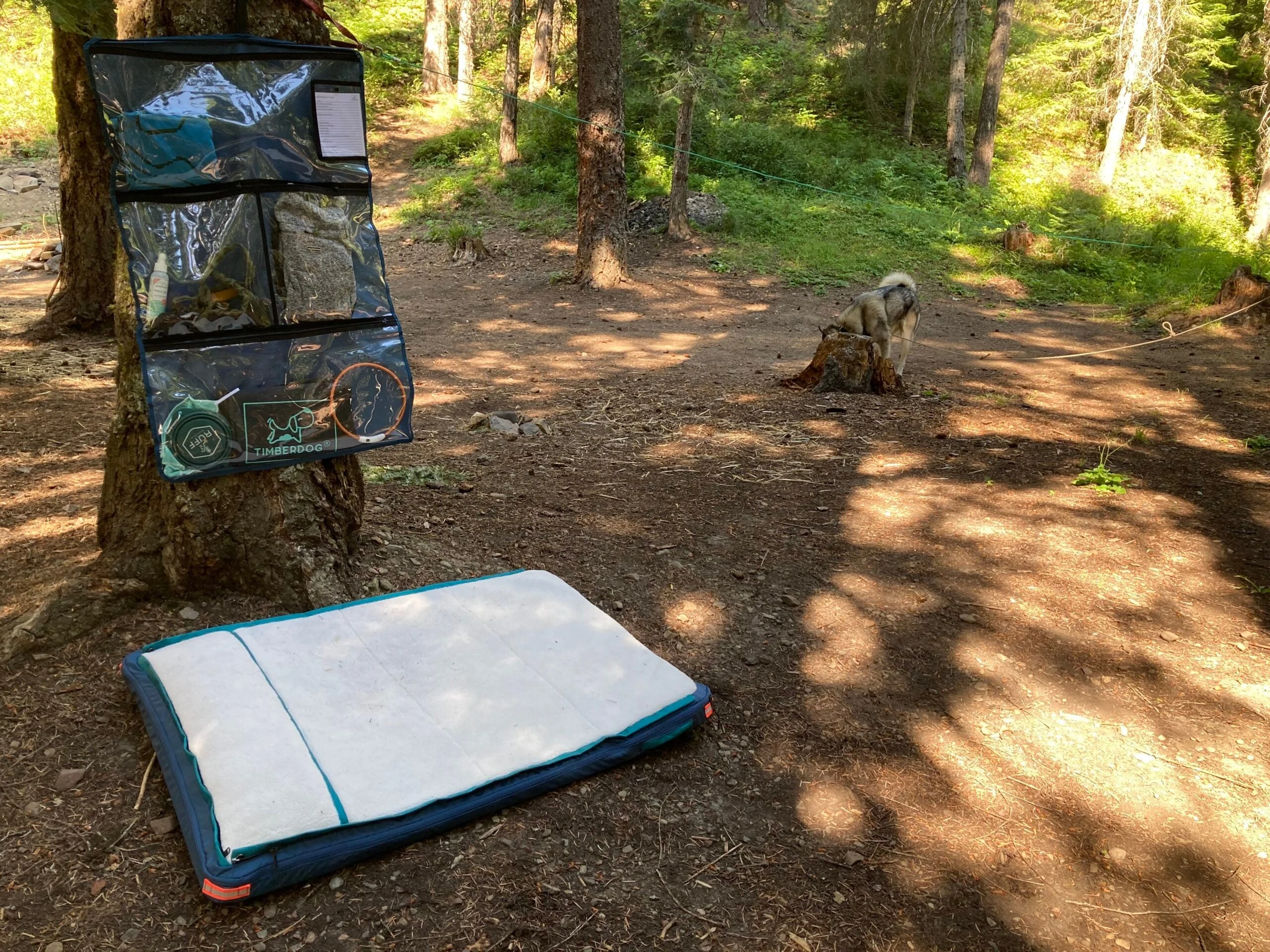
Let’s be honest—the idea of a camping trip just isn’t complete for many of us without our four-legged family members. That wagging tail at the trailhead, the curious purr from a carrier as you set up the tent… it’s pure magic. But moving beyond a simple backyard overnight requires a shift in thinking. This isn’t just about bringing your pet; it’s about integrating them into the wilderness experience safely and comfortably.
Here’s the deal: advanced pet camping is about anticipating needs, mitigating risks, and honestly, having the right tools for the job. Let’s dive into the gear, the must-know safety rules, and even some destination intel for both dogs and the increasingly adventurous cat.
Beyond the Leash: Advanced Gear for the Modern Pet Camper
Forget that frayed old collar. Today’s market is bursting with innovative solutions for camping with dogs and cats. This gear isn’t just cute; it solves real problems you’ll face in the wild.
For Canine Campers
Insulated Sleeping Pads: Just like you, your dog loses heat to the cold ground. A closed-cell foam or self-inflating pad made for dogs is a game-changer for chilly nights.
Ruffwear-style Pack Systems: Let them carry their own weight! A well-fitted canine backpack distributes load evenly. Start with just their water and snacks—never more than 25% of their body weight.
Glow-in-the-dark & Reflective Gear: A LED collar light, a reflective harness… these are non-negotiable for nighttime bathroom trips or low-visibility hikes. It’s a simple, lifesaving protocol.
For Feline Explorers
Secure, Breathable Tents: A pop-up mesh tent designed for pets is their portable safe room. It gives your cat a place to relax, sunbathe, and be part of the action without the risk of bolting.
Harness Training is Non-negotiable: Seriously. You must start this at home, months in advance. A secure “H” style harness paired with a leash is the only safe tether. Collars? They can slip right off.
Portable Litter Solutions: Collapsible litter boxes with biodegradable litter are key. Pack extra bags to pack out waste—yes, even cat waste, especially in sensitive ecosystems.
The Unbreakable Safety Protocols: It’s About More Than a Vet Check
Sure, a pre-trip vet visit is step one. But safety out there is a living, breathing practice. It’s your number one job.
Wildlife & Environment
Keep them leashed. Always. Even the best-trained dog can chase a squirrel into a canyon or surprise a skunk—or worse, a bear or porcupine. For cats, this is absolute law. A longline (15-20 ft) can offer exploration within bounds.
Know the local threats. Ticks carrying Lyme disease, foxtails that burrow into skin, toxic plants like certain mushrooms or sago palms… research the regional hazards. A pet-specific first-aid kit should include tweezers, antiseptic, and a tick key.
Identification & Comfort
Microchip. Update the info. Then, add a temporary tag with your campsite number and cell. It seems obvious, but you’d be surprised how many forget.
Watch for stress signals. Panting, whining, hiding, or excessive lethargy aren’t just quirks. Your pet might be overheated, anxious, or in pain. Create a familiar “den” in your tent with their favorite blanket. The scent of home is a powerful calmant.
Destination Deep Dive: Where to Go with Your Dog or Cat
Not all parks or trails are created equal. The trend is toward more pet-friendly camping destinations, but rules are strict—and they should be.
For Dog-Centric Adventures:
National Forests (US) are often more dog-friendly than National Parks, allowing leashed pups on most trails. Look for dispersed camping areas for more solitude. State parks vary widely, so always check—”pet-friendly” might only mean the campground, not the trails.
For Cat-Friendly Camping (yes, really!):
Start with car-camping at less-busy state park or BLM sites. The consistency of the vehicle as a basecamp helps. Seek out destinations with low wildlife traffic and minimal off-leash dog areas to reduce stress. Honestly, a lakeside spot where they can watch birds from the safety of their tent is like cat TV.
Here’s a quick glance at the general landscape:
| Destination Type | Best For | Key Consideration |
| National Parks (US) | Dogs (very limited) | Usually only paved areas/ campgrounds; rarely trails. Cats similar. |
| National Forests & BLM Land | Dogs & Adventurous Cats | More trail access. Leash rules still apply. Ideal for dispersed camping. |
| Pet-Friendly Private Campgrounds | First-timers, Both Species | Often have amenities; read fine print for breed/species restrictions. |
| Backcountry/ Wilderness Areas | Experienced Dog Hikers Only | Greatest risk/reward. Requires ultimate control and preparedness. Not for cats. |
The Real Takeaway: It’s About Shared Memory
At the end of the day, all this gear and planning—it’s not about creating a perfectly Instagrammable trip. It’s about the quiet moments. The way your dog’s nose twitches at a new scent on the wind, or the look of wonder in your cat’s eyes as they watch their first sunset over a mountain ridge. It’s about expanding their world, and yours, with a foundation of unwavering responsibility.
You’re not just a pet owner on this trip. You’re their guide, their protector, and their companion in a vast, wild world. And that bond, forged under an open sky, is the most precious piece of gear you’ll ever own.